← All Posts

Posts tagged healthy foods

10 posts found
The Complete Guide to Essential Nutrients

The Complete Guide to Essential Nutrients

Getting the right nutrients from your diet is one of the most important things you can do for your long-term health. But with so much conflicting information out there, it can be hard to know where to start. This guide pulls together everything we've covered in our nutrient series into one place — a comprehensive reference for the essential vitamins and minerals your body needs, what they do, and the best food sources for each one.Bookmark this page and come back to it whenever you need a quick reference.
Read more →
Folate-Rich Foods To Add To Your Diet

Folate-Rich Foods To Add To Your Diet

Folate is a B vitamin (vitamin B9) that plays a central role in DNA synthesis, cell division, and the formation of red blood cells. It's particularly well known for its critical importance during pregnancy — adequate folate intake in the early weeks of pregnancy dramatically reduces the risk of neural tube defects in the developing baby. But folate matters beyond pregnancy too.
Read more →
Vitamin A-Rich Foods To Add To Your Diet

Vitamin A-Rich Foods To Add To Your Diet

Vitamin A is one of the most important fat-soluble vitamins, with roles spanning vision, immune defence, skin health, and cell growth. Despite its importance, it's a nutrient that comes with a bit of nuance — because "vitamin A" in food actually refers to two distinct things: preformed vitamin A (retinol), found in animal products, and provitamin A carotenoids (primarily beta-carotene), found in plant foods. The body converts beta-carotene to vitamin A as needed, but the conversion is less efficient than getting retinol directly from food.The recommended daily intake is 700mcg for adult women and 900mcg for adult men, expressed as retinol activity equivalents (RAE).
Read more →

Antioxidant-Rich Foods To Add To Your Diet

Antioxidant-Rich Foods To Add To Your Diet

You've probably heard the word "antioxidants" thrown around a lot in nutrition conversations, but what do they actually do? In short, antioxidants are compounds that help neutralise free radicals — unstable molecules that can damage cells and contribute to aging, inflammation, and chronic diseases like heart disease and cancer when they accumulate in excess. Your body produces some antioxidants naturally, but diet is a major source of the rest.The good news is that antioxidant-rich foods are some of the most delicious and versatile ingredients in any kitchen. Here are the ones most worth adding to your regular rotation.Dark ChocolateIf you needed another excuse to eat dark chocolate, here it is.
Read more →
Vitamin B12-Rich Foods To Add To Your Diet

Vitamin B12-Rich Foods To Add To Your Diet

Vitamin B12 is one of those nutrients that most people don't think about until something goes wrong. It's essential for maintaining healthy nerve cells, synthesising DNA, forming red blood cells, and supporting proper brain function. A deficiency develops slowly — sometimes over years — but the consequences can be serious, including irreversible nerve damage, fatigue, memory problems, and anaemia.The recommended daily intake is 2.4 micrograms (mcg) for adults, which sounds modest, but the unique challenge with B12 is that it's found almost exclusively in animal-derived foods.
Read more →
Vitamin C-Rich Foods To Add To Your Diet

Vitamin C-Rich Foods To Add To Your Diet

Vitamin C is one of the most well-known vitamins, but it's also one of the most misunderstood. Most people associate it with orange juice and fighting off colds, but its role in the body is much broader than that. Vitamin C is a powerful antioxidant, it's essential for collagen synthesis, it helps your body absorb non-heme iron, and it plays an important role in immune function and wound healing.The recommended daily intake is 75mg for adult women and 90mg for adult men, with smokers needing an additional 35mg due to increased oxidative stress.
Read more →
Potassium-Rich Foods To Add To Your Diet

Potassium-Rich Foods To Add To Your Diet

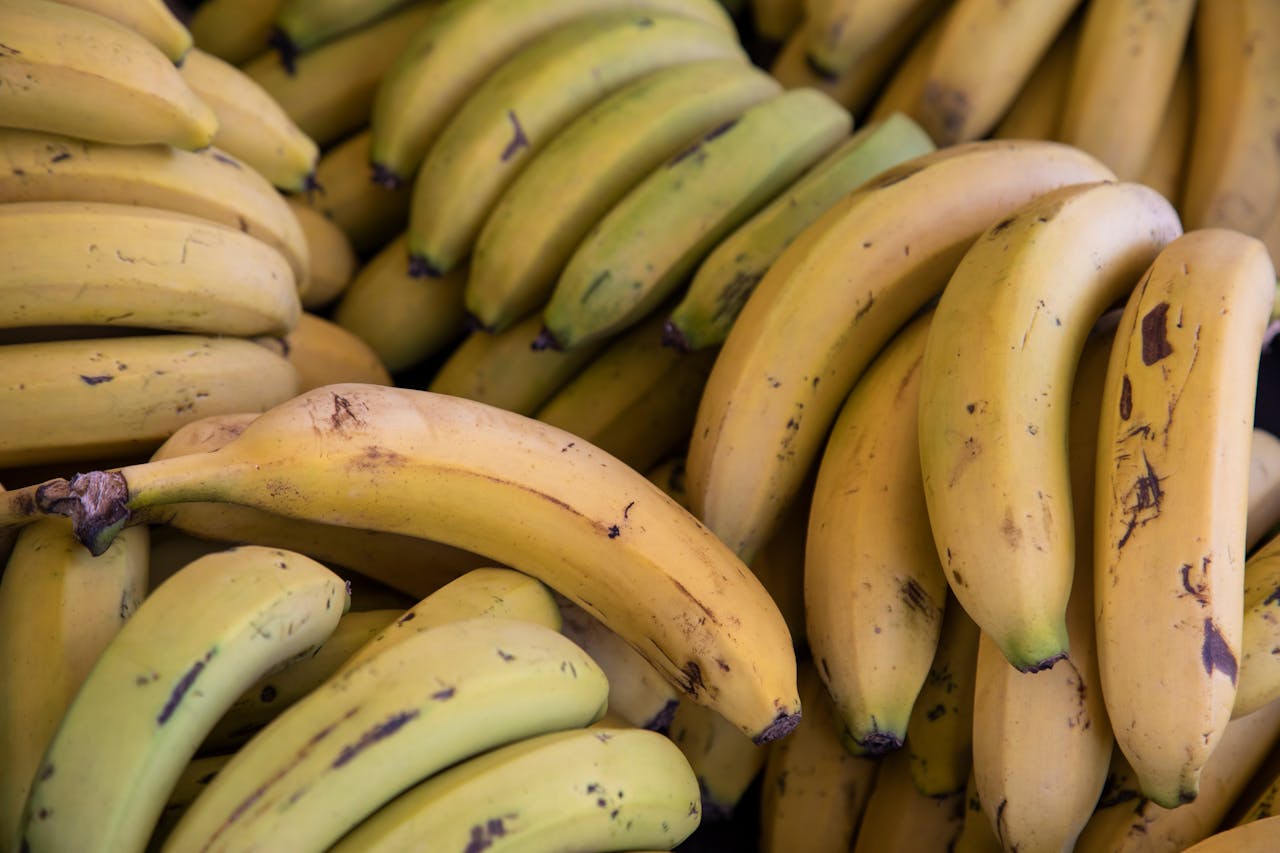
If there's one mineral that consistently flies under the radar, it's potassium. Most people have heard they should eat more of it, but far fewer actually know what it does or where to find it. The recommended daily intake is 2,600mg for adult women and 3,400mg for adult men — and surveys suggest the average person falls well short of those targets.Potassium is essential for maintaining healthy blood pressure, supporting proper muscle and nerve function, and helping your kidneys filter waste.
Read more →
Magnesium-Rich Foods To Add To Your Diet

Magnesium-Rich Foods To Add To Your Diet

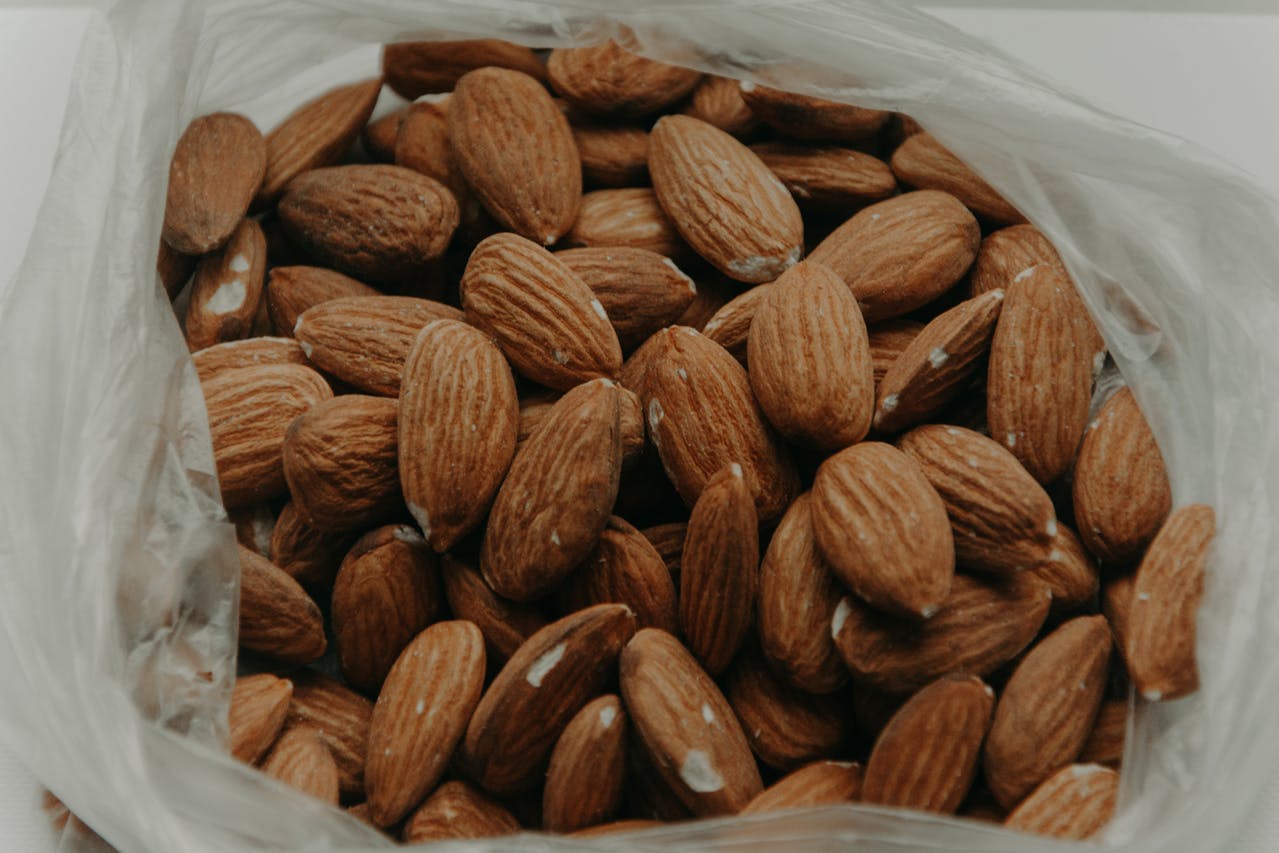
Magnesium is one of those nutrients that quietly does a lot of heavy lifting. It's involved in over 300 enzymatic reactions in the body — everything from energy production to muscle contraction to keeping your heart rhythm steady. Yet surveys consistently show that a large portion of the population falls short of the recommended daily intake, which sits at around 310–420mg for adults depending on age and sex.The good news is that magnesium is found in a wide range of foods, so with a bit of intention it's not hard to get more of it.
Read more →
Homemade vs Store Bought Oat Milk: Which Is Better?

Homemade vs Store Bought Oat Milk: Which Is Better?

Making oat milk at home has become increasingly popular as people look for ways to reduce packaging waste, save money, and control exactly what goes into their food. But is homemade oat milk actually better than the store-bought version nutritionally? The answer is more nuanced than you might expect. This is part of our Milk Alternatives Complete Guide. See also Oatly vs Califia and Oat Milk vs Almond Milk. How Homemade Oat Milk Is Made Making oat milk at home is straightforward.
Read more →
Full Fat vs Light Coconut Milk: What Is the Difference?

Full Fat vs Light Coconut Milk: What Is the Difference?

Coconut milk comes in two very different forms that are easy to confuse: full fat canned coconut milk and light canned coconut milk. Both are used primarily for cooking rather than drinking, and choosing the wrong one can significantly affect both the calorie content and the texture of your dish. Here is a clear breakdown of the differences. This is part of our Milk Alternatives Complete Guide.
Read more →